Common Computer Problems and Fixes: Easy Solutions for Everyday PC Issues
Computers are an essential part of daily life, but even the best systems occasionally run into problems. From slow performance and internet issues to software crashes and overheating, most computer problems have simple solutions that you can try before calling a technician.
This guide covers the most common computer issues and practical fixes that can help you get your PC running smoothly again.
🛠 Quick Troubleshooting Guide
✔ Restart your computer first.✔ Check internet connections.
✔ Keep software updated.
✔ Scan for malware regularly.
✔ Monitor storage and RAM usage.
✔ Clean dust to prevent overheating.
🐢 Problem #1: Computer Running Slow
A slow computer is one of the most common complaints among users. Over time, unnecessary software, startup programs, and storage clutter can reduce performance.
• Disable unnecessary startup apps
• Remove unused software
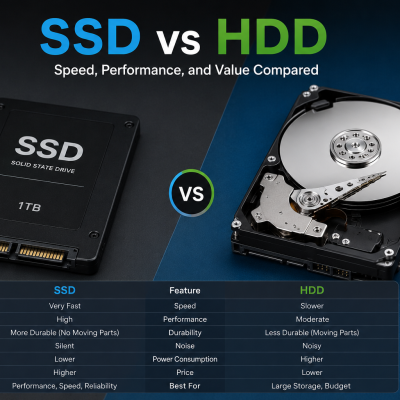
• Upgrade to an SSD
• Free up storage space
• Restart your PC regularly
🌐 Problem #2: Internet Not Working
If websites won’t load or your connection keeps dropping, the issue may be related to your router, Wi-Fi settings, or network adapter.
• Restart your router
• Turn Wi-Fi off and on
• Check network cables
• Run Windows Network Troubleshooter
• Update network drivers

💻 Problem #3: Computer Won’t Turn On
If your computer won’t start, don’t panic. The issue may be related to power, battery, or hardware connections.
• Check power cables
• Verify the power outlet works
• Remove and reconnect the battery (if possible)
• Hold the power button for 10 seconds
• Check for loose hardware connections
❄️ Problem #4: Computer Overheating
Excessive heat can cause slow performance, random shutdowns, and hardware damage.
• Clean dust from fans
• Improve airflow around the PC
• Use a cooling pad for laptops
• Replace thermal paste if necessary
⚠️ Problem #5: Frequent Freezing or Crashing
If applications or Windows frequently freeze, software conflicts or hardware issues may be responsible.
• Install Windows updates
• Update drivers
• Check RAM health
• Scan for malware
• Remove recently installed problematic software
🦠 Problem #6: Virus or Malware Infection
Malware can slow down your system, display unwanted ads, steal information, and cause instability.
• Run a full antivirus scan
• Remove suspicious software
• Update security software
• Avoid unknown downloads
🔊 Problem #7: No Sound from Speakers
Audio issues are often caused by muted settings, disconnected devices, or outdated drivers.
• Check volume settings
• Verify speaker connections
• Select the correct audio device
• Update audio drivers
🖥️ Problem #8: Blue Screen of Death (BSOD)
The Blue Screen of Death usually indicates a driver issue, hardware problem, or critical system error.
• Update drivers
• Check RAM health
• Remove recently installed hardware
• Run Windows diagnostics tools
⌨️ Problem #9: Keyboard or Mouse Not Working
Input devices may stop responding due to driver issues, loose connections, or battery problems.
• Reconnect USB devices
• Replace batteries
• Update drivers
• Try a different USB port
💾 Problem #10: Low Storage Space
Running out of storage can impact performance and prevent software updates.
• Delete unnecessary files
• Empty Recycle Bin
• Move files to cloud storage
• Use Storage Sense in Windows
📊 Quick Problem & Solution Table
| Problem | Quick Fix |
|---|---|
| Slow PC | Disable startup apps, upgrade SSD |
| No Internet | Restart router and network adapter |
| Overheating | Clean fans and improve airflow |
| Virus Infection | Run antivirus scan |
| No Sound | Check audio settings and drivers |
| BSOD Errors | Update drivers and test hardware |
🏆 Final Tip
Most computer problems can be solved through regular maintenance, software updates, storage cleanup, and basic troubleshooting. Learning these simple fixes can save both time and money while keeping your computer running smoothly.Frequently Asked Questions
Why is my computer suddenly slow?
This is often caused by too many startup programs, low storage space, malware, or outdated hardware.
How often should I restart my computer?
Restarting at least once every few days helps clear temporary processes and improve performance.
Can I fix most computer problems myself?
Yes. Many common issues can be solved using basic troubleshooting steps without professional assistance.
Conclusion
Computer problems are inevitable, but most are easier to fix than many people think. By understanding the common causes of slow performance, connectivity issues, crashes, and hardware problems, you can troubleshoot effectively and keep your system running reliably for years.