Physical AI & AI Robots: What Comes Next?
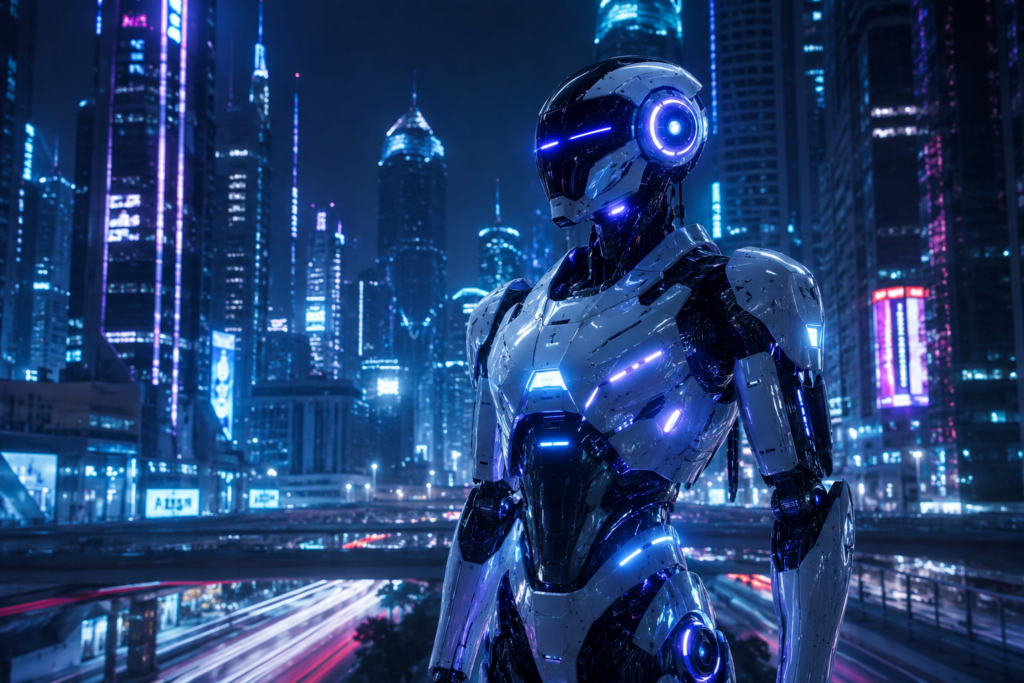
Artificial Intelligence has already transformed software, content creation, and digital workflows. However, the next major revolution is moving beyond screens and entering the physical world. This new era is known as Physical AI—where intelligent systems can see, understand, move, interact, and perform real-world tasks through robots and autonomous machines. From humanoid robots working in factories to AI-powered assistants helping at home, Physical AI is expected to redefine how humans interact with technology over the next decade.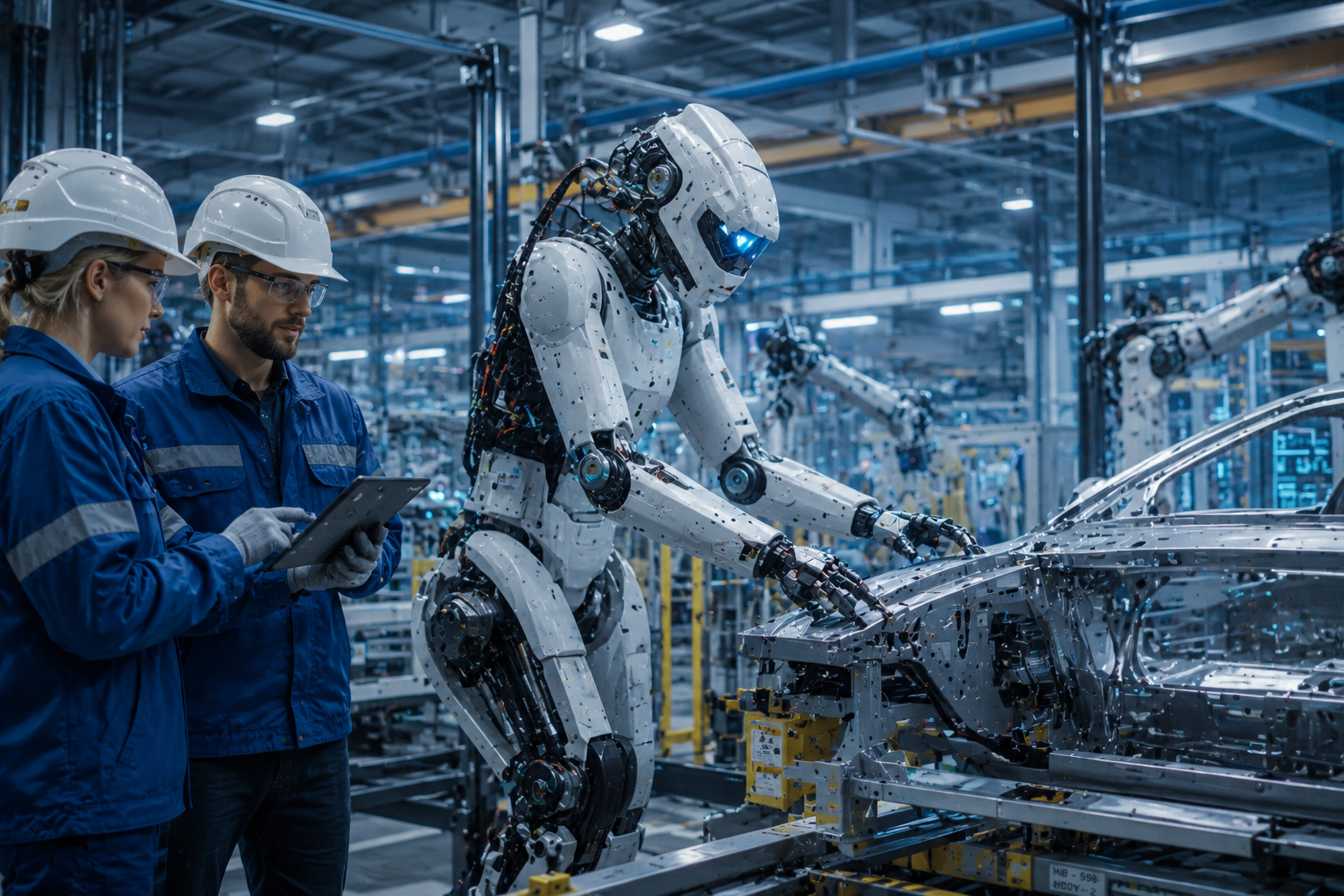
🤖 Quick Summary
✔ Physical AI combines intelligence with real-world actions. ✔ AI robots can see, learn, move, and make decisions. ✔ Industries are investing billions into robotics. ✔ Humanoid robots may become common within the next decade. ✔ The future of AI is moving from digital assistants to physical workers.What Is Physical AI?
Physical AI refers to artificial intelligence systems that operate in the real world through robots, autonomous machines, drones, vehicles, and smart devices. Unlike traditional AI that exists only in software, Physical AI can interact with physical environments and perform tasks independently. These systems combine computer vision, machine learning, sensors, robotics, and advanced decision-making capabilities to understand and respond to their surroundings.“Generative AI changed how computers think. Physical AI will change how machines act.”
How AI Robots Are Becoming Smarter
Recent advances in AI have enabled robots to perform increasingly complex tasks. Modern AI robots can:- Recognize people and objects
- Navigate environments autonomously
- Learn from experience
- Understand voice commands
- Adapt to changing situations
- Work alongside humans safely
Where Physical AI Is Already Being Used
🏭 Manufacturing
Factories are deploying AI-powered robots for assembly, quality inspection, logistics, and maintenance.🚗 Autonomous Vehicles
Self-driving cars rely on Physical AI to understand roads, traffic conditions, and surrounding objects in real time.🏥 Healthcare
Robotic assistants are helping doctors perform surgeries, deliver supplies, and support patient care.📦 Warehouses
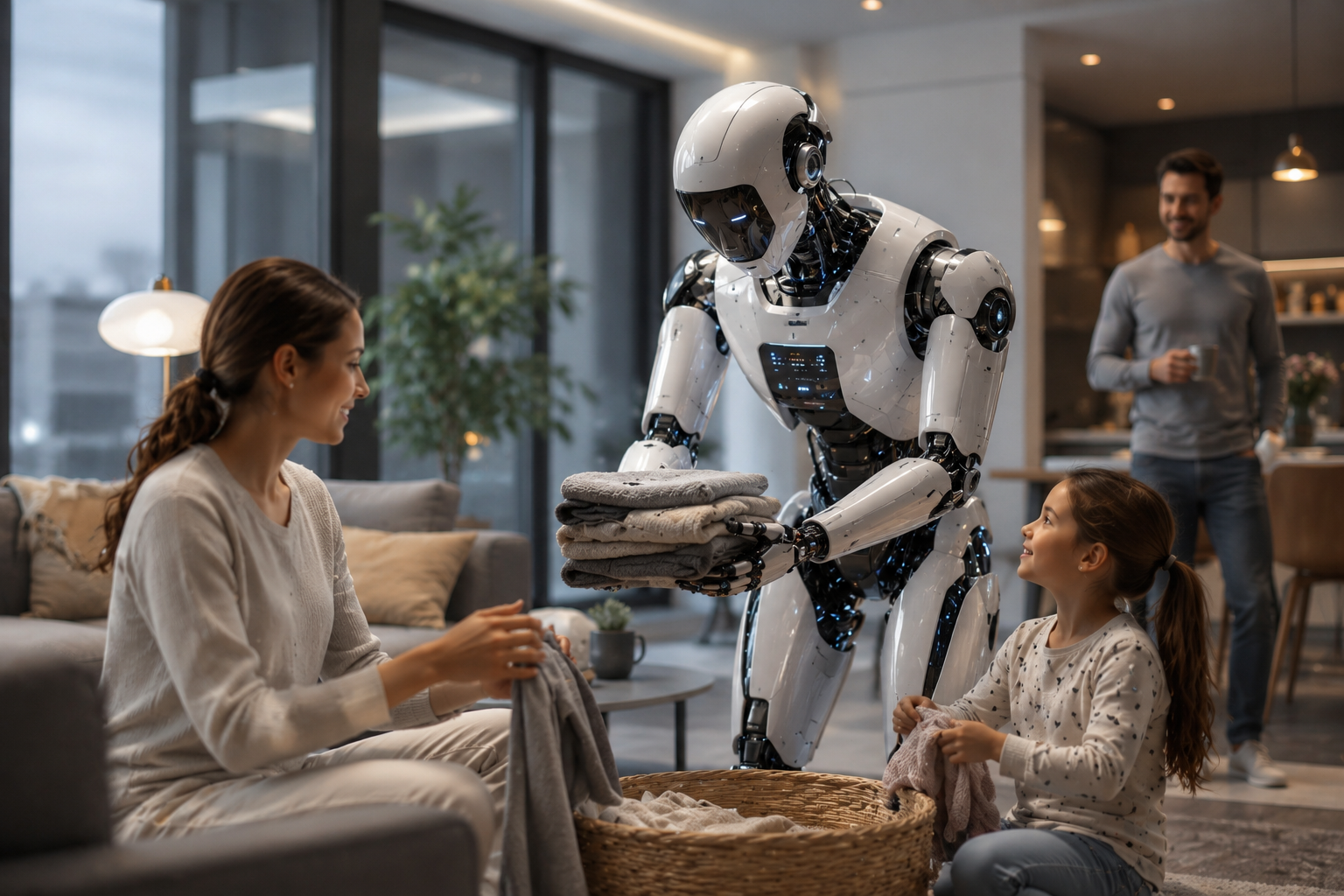
AI robots can sort packages, move inventory, and optimize logistics operations with remarkable efficiency.🏠 Smart Homes
Future home robots may assist with cleaning, security, elderly care, and household management.⚠ Important
While AI robots are becoming more capable, human supervision remains essential for safety, ethics, and critical decision-making.
The Rise of Humanoid Robots
One of the most exciting developments in Physical AI is the emergence of humanoid robots. These robots are designed to move and interact in environments built for humans. Future humanoid robots may:- Assist workers in factories
- Provide customer support
- Help elderly individuals
- Perform dangerous tasks
- Support disaster response efforts
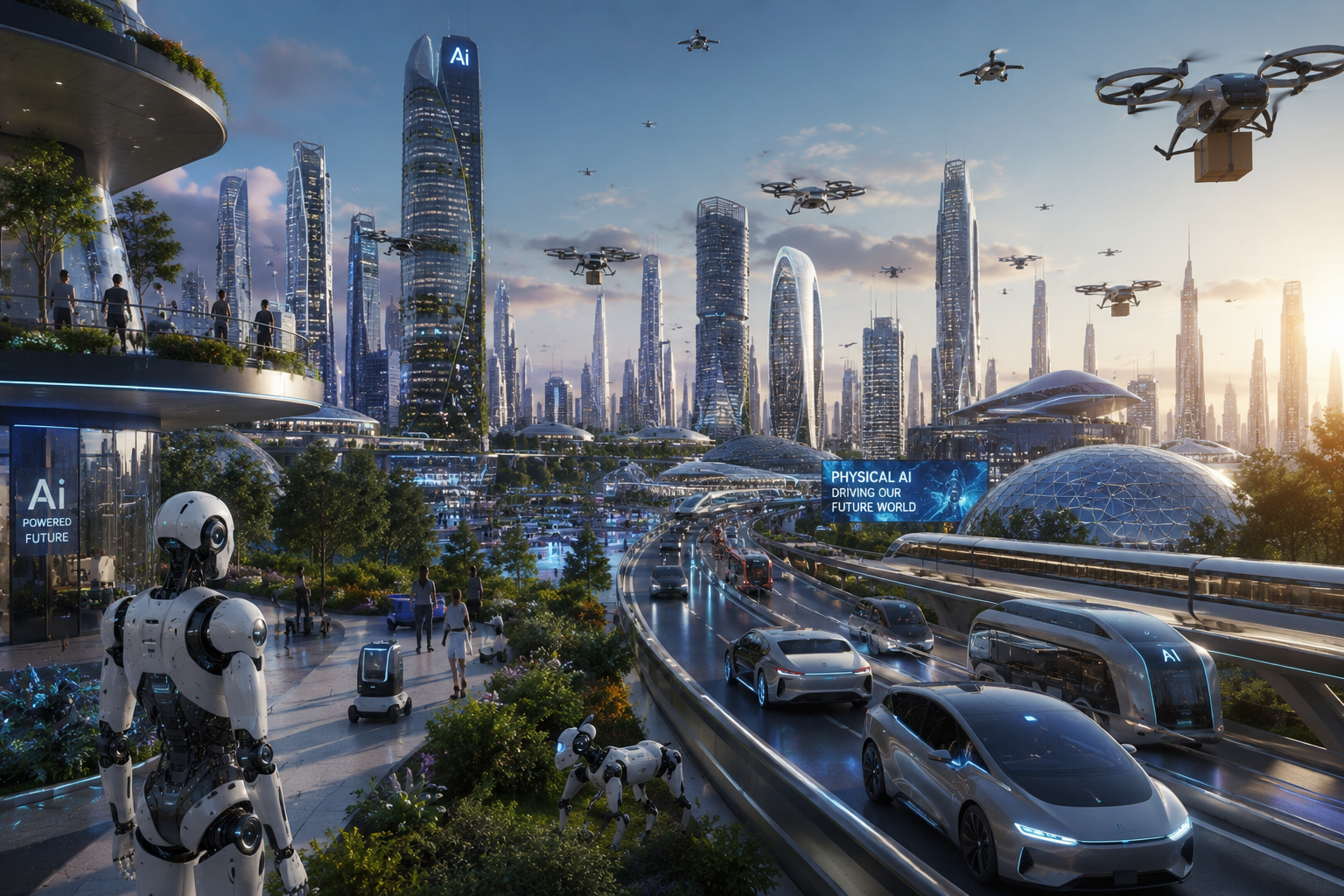
What Comes Next?
Experts predict that Physical AI will become one of the largest technology sectors of the 2030s. As AI models become more intelligent and robotics hardware becomes more affordable, robots will move beyond specialized environments and into everyday life. Future AI systems may combine:- Advanced reasoning
- Real-time learning
- Human-like interaction
- Autonomous movement
- Physical task execution